
The Ultimate Nusa Penida Travel Guide 2026 | The Penida Project
Everything you need to know before you arrive…
Nusa Penida is Indonesia’s most dramatic island — a place of towering clifftops, crystal-clear water, manta ray encounters, and raw, unspoiled landscapes that feel nothing like the mainland. Whether you’re coming for a weekend or staying for a week, this guide covers everything: how to get here, how to get around, what it costs, where to stay, and the experiences that make Nusa Penida genuinely unforgettable.
Written by the team at The Penida Project, this Nusa Penida travel guide is the insider resource we wish we’d had on our first visit.
How to Get to Nusa Penida From Bali
Getting to Nusa Penida is straightforward but worth planning in advance, especially during peak season. The island is only accessible by boat, with fast ferries departing daily from two main ports in Bali.
Departure Ports in Nusa Penida
Sanur is the most popular departure point, with the most frequent services and the easiest access from Seminyak, Kuta, and Canggu. Padang Bai is the better option if you’re coming from Ubud or the east of Bali. Both ports offer multiple departures per day, typically between 7am and 5pm.
Arrival Ports in Nusa Penida
Most boats arrive at either Toya Pakeh or Buyuk (Sampalan) Harbour. The Penida Project is centrally located between both, just 10–15 minutes by scooter or taxi from either port. We can arrange a pickup — just let us know your arrival time.
| Detail | Information |
|---|---|
| Journey time | 30–45 minutes |
| Cost (return) | IDR 300,000–500,000 (approx. EUR 15–30) |
| Frequency | Multiple departures daily, 7am–3pm |
| Book in advance? | Yes — essential in July, August & peak season |
| Sea conditions | Can be rough in rainy season (Nov–March) |
Tip: Book your boat tickets in advance through the hostel prior to booking. Seas can be rough during the rainy season — take seasickness tablets if you’re sensitive.
Getting Around Nusa Penida
Nusa Penida has no Grab or GoJek. Transport is either self-arranged or organised through your accommodation — another reason to stay somewhere with good local connections.
Scooter Rental in Nusa Penida
Scooters are the best way to explore the island at your own pace. Rental costs vary from 70,000 to 150,000 per day for a standard scooter. Just remember don’t bargin on safety. The roads range from smooth to seriously challenging — some of the best viewpoints involve steep, unpaved tracks. Only rent a scooter if you are a confident rider. We offer scooter rentals directly at The Penida Project for 100,000 and we ensure our scooters are always of the highest quality as well as being serviced regularly.
Hiring a Private Driver in Nusa Penida
If you’d prefer not to ride, hiring a local driver for a full-day tour is an excellent alternative. Costs range from IDR 500,000–1,200,000 (EUR 30–70) depending on distance and duration. Our team can arrange trusted local drivers with fixed, fair prices — no haggling required. We offer both car and scooter taxis and all drivers are from our local village.
Organised Day Tours in Nusa Penida
We offer East Coast, West Coast day tours and Combination tours from The Penida Project, covering all the major sites in a single day with a local guide. These are the most stress-free way to see the island’s highlights, especially if your time is limited.
How Much Does Nusa Penida Cost?
Nusa Penida is one of the most affordable islands in Indonesia, but costs have risen as tourism has grown. Here’s a realistic breakdown for travellers.
| Expense | Typical Cost |
|---|---|
| Boat (return, Bali to Penida) | IDR 300,000–500,000 (EUR 15–30) |
| Island entry fee | IDR 35,000 per person |
| Hostel dorm bed (per night) | From IDR 150,000 (EUR 9–12) |
| Scooter rental (per day) | IDR 70,000–150,000 |
| Full-day private driver | IDR 500,000–1,200,000 |
| Meals from local warungs to restaurants | IDR 40,000–130,000 per meal |
| Beer / cocktail at the bar | IDR 35,000–80,000 |
| Snorkelling tour | IDR 350,000 |
| Diving (per dive) | From IDR 450,000 |
Best Things to Do in Nusa Penida
Nusa Penida rewards travellers who go beyond the Instagram spots. The island has world-class diving and snorkelling, stunning clifftop viewpoints, spiritual temples, and — at The Penida Project — a full weekly events programme that makes your stay as social as it is adventurous. When you come to The Penida Project you become a part of the family.
Must-Do Experiences in Nusa Penida
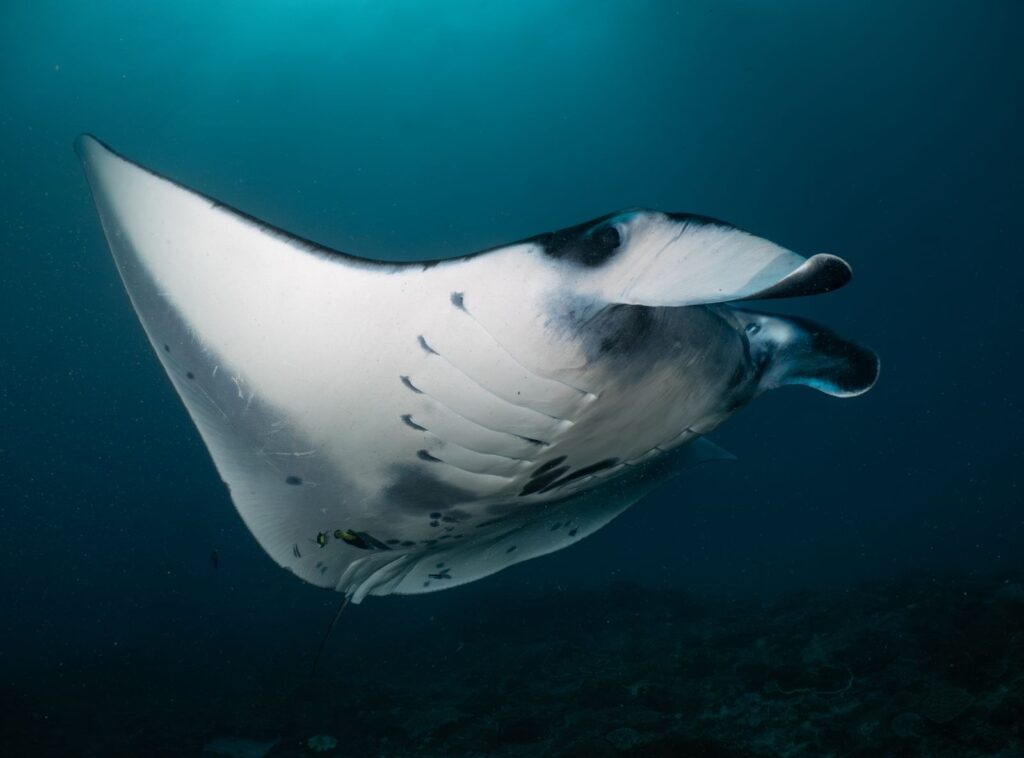
- Swim with manta rays at Manta Point — one of the most reliable manta ray encounters in Southeast Asia
- Snorkel with mola mola (ocean sunfish) — seasonal, but extraordinary when conditions align
- Watch the sunrise from Teletubbies Hill — rolling green hills unlike anything else in Bali
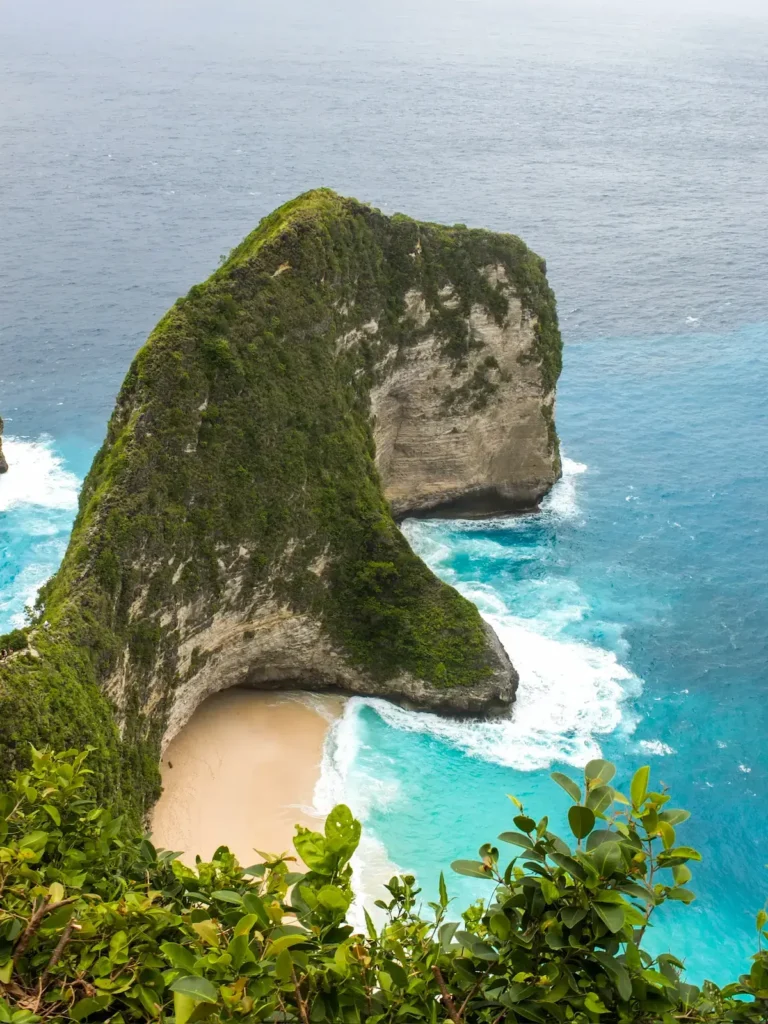
- Hike down to Kelingking Beach — the island’s most iconic viewpoint, shaped like a T-Rex
- Explore Broken Beach and Angel’s Billabong — natural rock formations carved by the ocean
- Visit Crystal Bay for some of the clearest water in Indonesia
- Discover Atuh Beach and Diamond Beach on the east coast — dramatic cliffs, quieter crowds
- Saturday Secret Jungle Party for dancing under the stars with fantastic people
- Attend a Full Moon Party at The Penida Project — our monthly event in a jungle setting
- Join a Canang Workshop on Tuesday or a Family Dinner on Wednesday nights — the hostel tradition that guests consistently call the highlight of their trip
Nusa Penida Itinerary: How Many Days Do You Need?
This Nusa Penida travel guide recommends 3 days is the minimum to see the island’s highlights without feeling like you’re racing between viewpoints. This itinerary works best if you arrive on an early boat from Sanur.
Day 1 — Settle in and explore locally
Arrive at Toya Pakeh or Buyuk harbour in the morning. Check in, get your bearings, and rent a scooter if you’re a confident rider. Spend the afternoon at Crystal Bay — only 15 minutes from central Nusa Penida — for your first taste of the island’s impossibly clear water. The snorkelling just off the beach is excellent even without a guide. In the evening, head back to your accommodation and enjoy your first meal with us. Wednesday night at The Penida Project is our weekly Family Dinner — a long-table meal with guests and staff that most people describe as one of the highlights of their entire trip.
Day 2 — West Coast tour
This is the big one. The west coast holds Nusa Penida’s most iconic sights and deserves a full day. Start the day at Manta Point for a snorkelling session — manta rays here are resident year-round and encounters are among the most reliable in all of Southeast Asia. If you want to start with Kelingking, start early — by 9am at the latest (if not, late afternoon after 4pm) — to beat the tour groups at Kelingking Beach. The descent to the beach itself takes 45–60 minutes each way and is steep and physically demanding, but the reward is one of the most beautiful stretches of sand in Southeast Asia with almost nobody on it once you’ve made the climb down. From Kelingking, continue to Broken Beach and Angel’s Billabong, two extraordinary natural rock formations sitting side by side on the island’s northwest tip. Book a west coast day tour through your accommodation to cover all four sites efficiently with a local guide who knows the roads.
Day 3 — East Coast or snorkelling
The east coast is less visited than the west but many travellers who make the journey consider it more beautiful. Atuh Beach and Diamond Beach sit at the base of towering limestone cliffs, reached via steep stairways carved into the rock face. The effort is worth it — you’ll often find these beaches nearly empty even at peak season. Alternatively, if diving or snorkelling is your priority, spend day three on a boat trip to Manta Point, Gamat Bay, and SD Point — three of the island’s best dive sites within easy reach of each other.
5 Days in Nusa Penida: The Full Experience
Five days is where Nusa Penida really opens up. You have time to do everything on the three-day itinerary properly, revisit your favourite spots, and actually slow down.
Days 1–3
Follow the same structure as above, without the rush.
Day 4 — Teletubbies Hill sunrise and temple visits
Wake before dawn and ride to Teletubbies Hill for sunrise — rolling green hills that look nothing like the rest of Bali, lit up in the early morning light with nobody around. Spend the rest of the morning exploring the island’s spiritual side. Pura Goa Giri Putri is a cave temple entered through a narrow crack in a cliff face that opens into a vast cavern — genuinely unlike any temple you’ll find on the mainland. Pura Dalem Ped is one of the most spiritually significant sites on the island and worth visiting with a local guide who can provide context. Carry a sarong for both — you’ll be asked to wear one at the entrance.
Day 5 — Slow day, Full Moon Party (if timing aligns)
Your final day is for whatever you haven’t done yet: a second snorkelling trip, a morning yoga session, or simply sitting on Crystal Bay beach with nowhere to be. If your stay overlaps with a full moon, The Penida Project’s Full Moon Party is one of the best nights on the island — a jungle setting, a proper sound system, and a crowd that’s almost entirely fellow travellers who’ve spent the week doing the same things you have. Check the dates when you book and plan around it if you can.
Which Itinerary Is Right for You?
If you’re combining Nusa Penida with Ubud and Canggu, three to four nights is the sweet spot. If Nusa Penida is the centrepiece of your Bali trip, five nights lets you experience the island rather than just tick off its sights. Either way, we’d recommend arriving on the earliest boat available — morning crossings are calmer, and you gain an extra half-day that makes a real difference.
Best Beaches & Viewpoints in Nusa Penida
Nusa Penida’s coastline is unlike anything on mainland Bali. Sheer limestone cliffs meet impossibly blue water, and the island’s best spots reward those willing to make the journey.
Nusa Penida West Coast: Beaches & Viewpoints
The west coast is home to Nusa Penida’s most famous sights and is best done as part of a full-day west coast tour. Key stops include Kelingking Beach viewpoint, Broken Beach, Angel’s Billabong, and Crystal Bay. If you have extra time be sure to check out Tembeling – a beautiful natural pool overlooking the beach (only accessible via scooter).
Nusa Penida East Coast: Atuh & Diamond Beach
The east coast is less visited but arguably more beautiful. Atuh Beach and Diamond Beach sit at the base of dramatic cliffs, accessible via steep stairways. You can access Diamond Beach via a scenic beach route and stop off at Goa Giri Temple and have some Luwak coffee at Luwak Garden Coffee just before reaching the beach. The east coast is best explored on a dedicated east coast tour or by scooter for experienced riders.
Snorkelling & Diving in Nusa Penida
Nusa Penida sits within the Coral Triangle and has some of the most biodiverse marine environments in the world. Manta Point is world-famous for close manta ray encounters. Crystal Bay is legendary for mola mola sightings (July–October). Gamat Bay and SD Point are excellent for reef diving. We work with trusted local dive operators and can organise trips directly from the hostel.
Nusa Penida Culture & Local Customs
Nusa Penida is deeply Hindu and has a spiritual identity distinct from tourist-facing Bali. Respecting local customs will enrich your visit and is appreciated by the community.
- Always carry a sarong when visiting temples — you’ll be asked to wear one
- Do not enter temple grounds during a ceremony unless invited
- Dress modestly away from the beach — shoulders and knees covered is appreciated
- Ask permission before photographing people, especially during ceremonies
- The island was historically considered a place of exile and black magic — locals take spiritual matters seriously. Be respectful.
Key temples worth visiting include Pura Goa Giri Putri (a cave temple entered through a narrow crack in a cliff face) and Pura Dalem Ped, one of the most spiritually significant sites in Nusa Penida.
Best Time to Visit Nusa Penida
Nusa Penida can be visited year-round, but the experience varies significantly by season.
| Season | What to Expect |
|---|---|
| Dry Season (Apr–Oct) | Best conditions. Clear skies, calm seas, excellent visibility for snorkelling and diving. July–August is peak season — book early. |
| Rainy Season (Nov–Mar) | Heavier rain and rougher seas. Some viewpoints and boat trips can be affected. Fewer crowds and better prices. |
| Mola Mola Season (Jul–Oct) | Oceanic sunfish sightings at Crystal Bay — a once-in-a-lifetime bucket list experience. |
| Full Moon | Our Full Moon Party happens monthly during high season. Plan your trip around it. |
Where to Stay in Nusa Penida
Choosing the right base is one of the most important decisions you’ll make when planning your Nusa Penida travel — and location matters more here than almost anywhere else in Indonesia.
Where you stay shapes your entire Nusa Penida experience. The island is spread out and transport is independent — choosing a well-located, well-connected base matters.
The Penida Project is Nusa Penida’s highest-rated hostel, rated 9.8 on Hostelworld and named the #1 hostel in Nusa Penida for solo travellers by The Broke Backpacker. Set in a private jungle location between both major harbours, we offer modern dorms, a full-service bar and restaurant, a swimming pool, weekly events, and a staff team who genuinely care about your trip.
We’re not a party hostel. We’re an experience hostel. From Thursday family dinners to monthly full moon parties, boxing and yoga sessions to organised island tours — every week at The Penida Project is different. Our guests consistently describe it as the best week of their entire Bali trip.

Stay at The Penida Project — Nusa Penida’s Luxury Social Hostel
✓ 9.8 on Hostelworld
✓ #1 Nusa Penida hostel for solo travellers (The Broke Backpacker)
✓ Private jungle location, 10 min from both harbours
✓ Full Moon Parties | Family Dinners | Yoga | Workshops | Boxing | Karaoke | DJ Sets
✓ On-site bar, restaurant & swimming pool
Check AvailabilityWhat to Pack for Nusa Penida: The Complete Packing List
Nusa Penida has specific demands that mainland Bali doesn’t. The roads are rougher, the sun is stronger on the water, and the island’s infrastructure is more limited. Pack for the island, not just for Bali.
Sun and Water Essentials
Reef-safe sunscreen is non-negotiable. Nusa Penida sits within a marine protected area and the local dive operators and conservation groups ask all visitors to use reef-safe, mineral-based sunscreen — zinc oxide or titanium dioxide formulas only. Chemical sunscreens containing oxybenzone and octinoxate damage coral reefs and are actively harmful to the marine environment that makes Nusa Penida worth visiting in the first place. Pick yours up in Canggu or Ubud before you cross — options on the island are limited and expensive.
A rash guard or UV shirt is worth its weight if you’re spending long days snorkelling. The equatorial sun at water level is brutal and far stronger than it feels. A rash guard also means you can use less sunscreen in the water, which is better for the reef.
Bring a dry bag for snorkelling trips and boat tours. Waves can be unpredictable during boarding and disembarking, and a waterproof bag keeps your phone, wallet, and passport dry without anxiety.
Transport and Safety
If you plan to ride a scooter, pack or buy closed-toe shoes. The roads on the way to Kelingking, Atuh Beach, and the island’s interior are steep, gravelly, and unforgiving in flip-flops. A significant number of scooter injuries on Nusa Penida happen because riders were wearing sandals when they lost grip on loose terrain. It’s not worth it.
Pack sea sickness tablets even if you don’t normally get motion sick. The crossing from Sanur takes 35–45 minutes and can be rough during the wet season (November to March). Sitting outside on the deck and keeping your eyes on the horizon helps, but having tablets as a backup makes the journey less stressful.
Everyday Practicalities
Cash in IDR — bring more than you think you need. The ATMs near Toya Pakeh and Buyuk harbour work, but they run out of cash during busy periods and the queues in peak season can be long. Withdraw a full week’s budget in Bali before you cross. A rough daily budget for a backpacker who’s watching their spending is IDR 300,000–400,000 (approximately €18–24), not including tours.
A portable power bank is genuinely useful. Days on Nusa Penida are long — you’ll be out from early morning until sunset — and charging opportunities on tours are limited. A phone that dies halfway through the Kelingking descent means no photos at the bottom.
A sarong is essential for any temple visit and useful for the beach. Buy one in Bali if you don’t have one — they’re cheap, light, and double as a beach towel.
Offline maps downloaded before you arrive. Wifi is available at most accommodation but mobile data is patchy on parts of the island, and Google Maps offline works well for Nusa Penida’s main roads and sites. Telkomsel has the strongest mobile coverage on the island if you’re buying an Indonesian SIM.
What You Don't Need to Pack
You do not need to bring snorkel gear — every reputable tour operator on the island provides masks, fins, and snorkels as standard. Bringing your own is fine if you have a preferred fit, but it’s not necessary.
You don’t need a travel adaptor specific to Indonesia beyond the standard two-pin EU-style plug used across Southeast Asia. Most accommodation including The Penida Project provides universal power sockets.
You don’t need to bring much formal or smart clothing. Nusa Penida is a genuinely casual island — the smartest outfit most people wear all week is a clean t-shirt for the Full Moon Party.
Nusa Penida Frequently Asked Questions
From Canggu, take a taxi or ride-share to Sanur Harbour (approximately 45–60 minutes depending on traffic), then board a fast boat to Nusa Penida. Total journey time door to door is roughly 2–2.5 hours. We can arrange a pickup from the harbour — just message us your arrival details.
Most travellers spend 3–5 days. Two days is enough to hit the major viewpoints; three to four days lets you properly explore both coastlines, go snorkelling or diving, and enjoy the hostel's weekly events. We'd recommend at least four nights to fully experience everything — including our Thursday family dinner and weekend parties.
Yes. Nusa Penida is very safe for solo travellers. The main risks are road conditions on a scooter — take care on steep or unpaved tracks. The Penida Project is especially popular with solo travellers because our social programme makes it easy to meet people from the moment you arrive.
Absolutely. We offer a dedicated 8-bed female-only dorm and our entire community is built around making solo travellers feel safe, welcome, and connected. Many solo female travellers cite The Penida Project as the highlight of their Bali trip.
Yes. Some spots in the island are cash-only - mostly smaller stores and local warungs. ATMs are available near both harbours, but during high season can sometimes run out so we recommend preparing some extra cash beforehand. We accept card payments at The Penida Project for accommodation bookings.
Nusa Penida uses the Indonesian Rupiah (IDR). The island is largely cash-based — most warungs, scooter rental shops, and local tour operators do not accept card. There are ATMs near both Toya Pakeh and Buyuk harbour, but they can run out of cash during busy periods and peak season, so we strongly recommend withdrawing a good supply of IDR in Bali before you cross. The Penida Project accepts card for accommodation bookings, but day-to-day spending on the island will require cash.
WiFi is available at most accommodation on Nusa Penida, including The Penida Project, but speeds vary and can be slow by mainland Bali standards. Mobile data is more reliable — Indonesian SIM cards (Telkomsel is the strongest carrier on the island) work well across most of the island, though some remote viewpoints and the far east coast have limited signal. If you rely on fast internet for work, we recommend downloading offline maps and any essential content before you arrive.
Beyond standard Bali packing, Nusa Penida has a few specific needs. Bring reef-safe sunscreen — the island's marine protected areas prohibit chemical sunscreens that harm coral. A sarong is essential for temple visits. If you plan to ride a scooter, closed-toe shoes are strongly recommended — flip-flops on steep gravel tracks are a common cause of injury. Sea sickness tablets are worth having for the boat crossing, especially between November and March when seas can be rough. A small dry bag is useful for keeping valuables safe on snorkelling trips and boat tours.