
If you’re wondering how to get to Nusa Penida from Bali, you’re in the right place. Getting to Nusa Penida from Bali is easier than most travellers expect. A short fast boat ride is all that separates you from one of Indonesia’s most dramatic islands — turquoise bays, clifftop viewpoints, and manta rays just beneath the surface. This guide covers everything you need to know before you go: which port to use, how much tickets cost, what to expect on arrival, and the insider tips that most travel sites leave out.
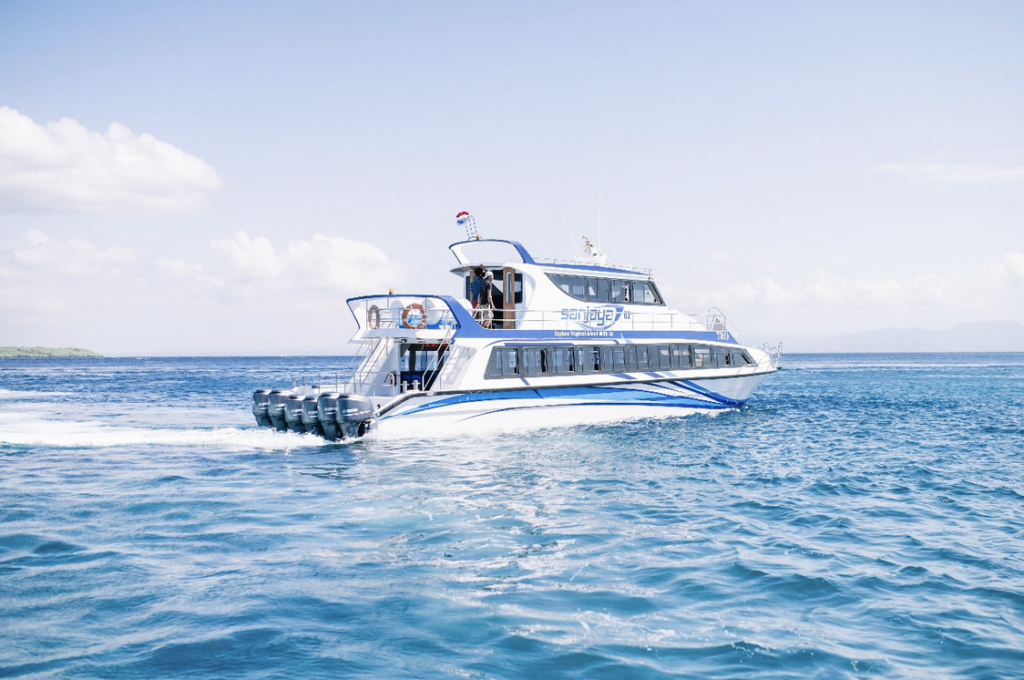
How to Get to Nusa Penida from Bali: The Fast Boat from Sanur
The most popular and convenient way to reach Nusa Penida is by fast boat from Sanur Harbour on Bali’s southeastern coast. The crossing takes between 40 minutes and an hour depending on sea conditions, and boats run throughout the day from early morning until late afternoon.
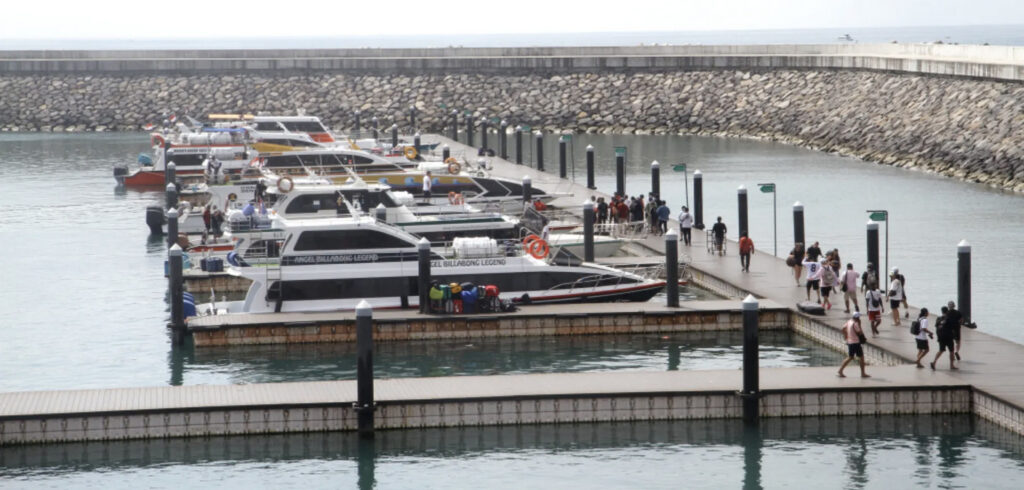
Sanur is the go-to departure point because it is the closest port to Nusa Penida, offers the most daily departures, and has a modern, well-organised harbour terminal. If you are staying in Seminyak, Canggu, Ubud, or Kuta, a taxi or shuttle to Sanur will take between 45 minutes to 2.5 hours depending on traffic.
Fast Boat Prices from Sanur to Nusa Penida (2026)
Ticket prices vary depending on the operator and whether you book online or at the pier. As a general guide:
- Budget operators: 150,000 – 200,000 IDR one way (~$9–12 USD)
- Mid-range operators: 200,000 – 300,000 IDR one way (~$12–20 USD)
- Return tickets: booking a round trip usually saves 10–25% compared to two single fares
Prices fluctuate during peak season (July–September and December–January), when demand is highest and boats fill up fast. If you are travelling during these periods, booking in advance is strongly recommended (we can book for you through our partner company to ensure you have a seat) — last-minute boats at the pier can be fully sold out, even outside of traditional holiday periods.
The entrance fee at Nusa Penida’s port is around 25,000 IDR per person, payable on arrival. Some attractions charge additional entry fees, so it is worth budgeting for these separately.
Departure Times: When Do the Boats Run?
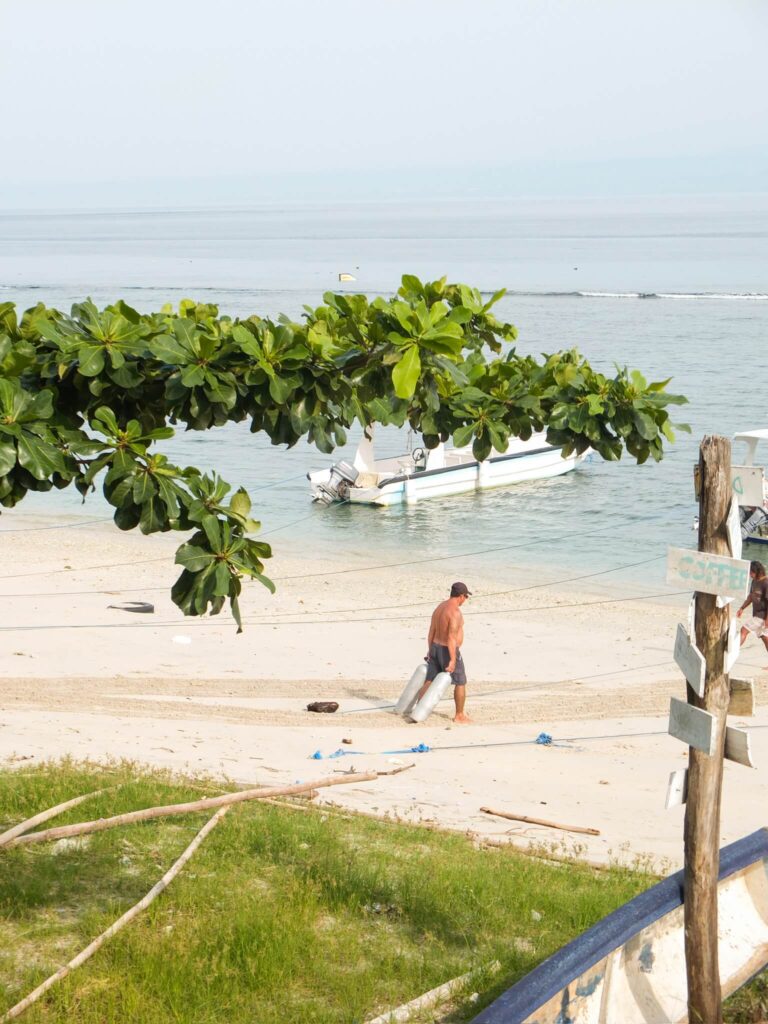
Fast boats from Sanur to Nusa Penida generally depart from around 7:00 am, with the last boats leaving in the afternoon — typically between 3:00 pm and 5:00 pm depending on the operator. Return services from Nusa Penida to Sanur follow a similar schedule.
The best time to travel is in the morning. The sea between Bali and Nusa Penida tends to be calmer earlier in the day, which makes for a smoother crossing. Late afternoon boats can be rougher, particularly during the wet season (November–March).
If you are prone to seasickness, sit mid-ship, inside the cabin, and focus on the horizon. Most operators also have seating on the upper deck for those who prefer fresh air.
Which Port Do You Arrive at in Nusa Penida?
Most fast boats from Sanur arrive at one of two ports on Nusa Penida’s west and north coast:
Banjar Nyuh / Toyapakeh
This is the most commonly used arrival port and the most convenient if you are heading to the west side of the island — Crystal Bay, Kelingking Beach, Broken Beach, and Angel’s Billabong are all within reach from here.

Sampalan / Buyuk Harbour
This port is closer to the east side of the island, making it a better option if Diamond Beach or Atuh Beach are your first stops. Fewer operators use this port, so check with your boat company before booking.
When you book your ticket, make sure to check which port your boat arrives at, as this will affect how quickly you can get to your accommodation or first activity.
Alternative Routes: Other Ways to Get to Nusa Penida
While Sanur is the most popular departure point, there are a few other options worth knowing about:
Padang Bai (East Bali)
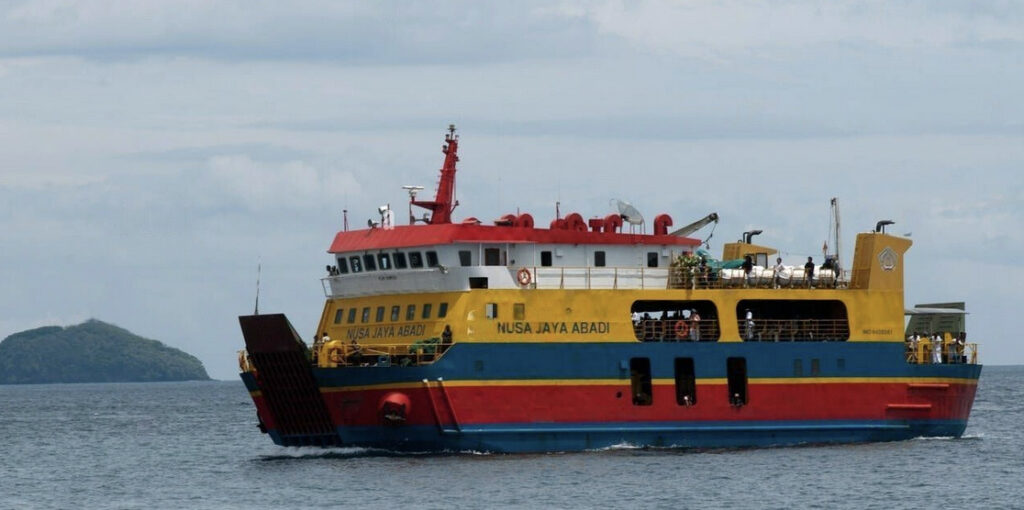
If you are staying in the Ubud area or eastern Bali, Padang Bai can be a convenient alternative. The crossing takes a similar amount of time and tickets are available at the port. You can also transport scooters on the slow boats which are called RORO’s (Roll-on, Roll-off) for transporting wheeled cargo including bikes as well as delivery trucks and cars.
Kusamba
Kusamba is a small fishing village southeast of Klungkung that offers a shorter sea crossing — around 20–25 minutes. This route is less frequently used by tourists but worth considering if you are based in East Bali.
Via Nusa Lembongan
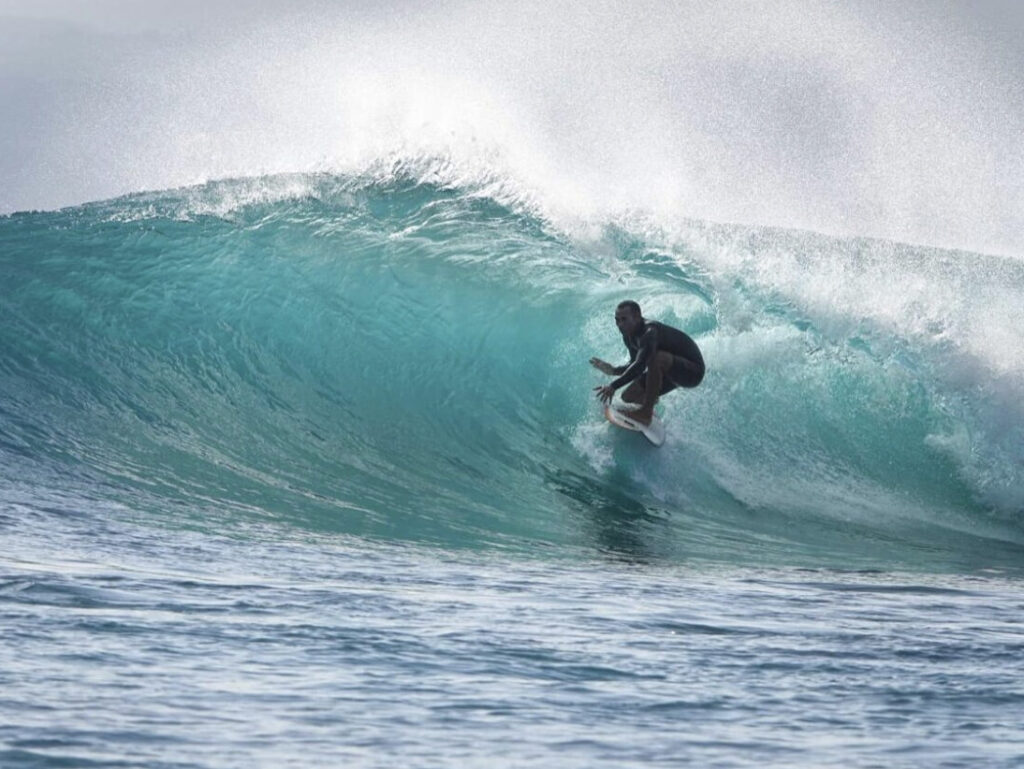
If you are doing a multi-island trip, you can take a boat from Sanur to Nusa Lembongan and then a local boat across to Nusa Penida. This adds time to your journey but is a fun option for those wanting to visit both islands. Nusa Lembongan also features a range of great surf spots with both left handed and right handed waves. Although all breaks are indeed reef break many locations are still beginner friendly with a range of surf schools including We Surf that make the first step fun.
Insider Tips for the Crossing
A few things the booking sites do not always tell you:
- Arrive at least 45–60 minutes before your departure, especially during peak season — the harbour gets busy and check-in can take time
- You cannot bring a motorbike on the fast boat (only RORO’s in Padang Bai); arrange a scooter rental on Nusa Penida on arrival or book with your accommodation in advance
- Most operators allow one bag up to 20–25 kg plus a small carry-on; surfboards and oversized luggage are usually allowed for a small additional fee but must be declared at booking
- Sea conditions can cancel or delay departures during the wet season — always have a flexible travel day as a buffer if your onward flights depend on the crossing
- Avoid buying tickets from touts outside the harbour — always go to official operator counters or book online in advance
What to Do Once You Arrive
Once you step off the boat, Nusa Penida opens up quickly. The west side of the island — home to Kelingking Beach, Broken Beach, and Crystal Bay — is the most visited and easily accessible from the main port. The east side, with Diamond Beach and Atuh Beach, rewards those who stay longer and venture further.
For solo travellers especially, staying in a social hostel makes getting around significantly easier. Tour groups, shared transport, and local knowledge are all built into the experience, which saves both time and money on arrival.
If you are still deciding how long to stay, read our guide on how many days to spend in Nusa Penida for a full breakdown of what to do with 2, 3, or 4 days on the island.
And when it comes to where to base yourself, The Penida Project offers boutique hostel accommodation just 8–10 minutes from the centre — a jungle oasis with a pool, bar, pizza restaurant, and a community of travellers ready to explore the island with you.

Frequently Asked Questions
How long is the boat from Bali to Nusa Penida?
Fast boats from Sanur take between 30 and 45 minutes depending on the operator and sea conditions. The distance between Sanur and Nusa Penida is approximately 14 nautical miles (around 25 km).
How much does the fast boat to Nusa Penida cost?
One-way tickets typically range from 150,000 to 300,000 IDR ($9–20 USD). Prices are higher in peak season (July–September, December–January) and booking in advance online usually offers better rates than buying at the pier.
Do I need to book my boat ticket in advance?
During peak season, yes — absolutely. Boats fill up quickly and last-minute tickets are often unavailable. Outside of peak periods you can generally buy tickets at the port, but online booking still guarantees your seat and often costs less.
Can I bring a motorbike on the boat to Nusa Penida?
No. Fast boats from Sanur do not carry motorbikes or vehicles. You will need to rent a scooter or arrange transport once you arrive on the island. Many hostels and accommodation options can help arrange this before your arrival.
What time does the last boat leave Nusa Penida back to Bali?
The last boats from Nusa Penida to Sanur typically depart between 3:00 pm and 5:00 pm depending on the operator. Always confirm return times when booking, especially if you have onward travel plans from Bali.
Is it safe to take the fast boat to Nusa Penida?
Yes, the route is well-established and operated by reputable companies. That said, sea conditions can be rough during the wet season (November–March), and departures can occasionally be delayed or cancelled due to weather. Stick to established operators, book with recognised companies, and avoid unofficial boats or touts at the pier.